


 Silicones, silicone oils, sprays
 Casting and potting resins
)
)
)
)
Technical Data
Typical values, not a specification. The technical data sheet (TDS) is binding.
Mechanical properties
- Shore hardness A
- 60 Shore A
- Module at 100% elongation
- 3.2 MPa
- Tensile Strength
- 6 MPa
- Elongation at break
- 180 %
- Tear resistance
- 15 kN/m
- Linear shrinkage
- < 0.1 %
Processing
- Viscosity of Mixture
- 150’000 mPa·s
- Viscosity Component A
- 150’000 mPa·s
- Viscosity Component B
- 10’000 mPa·s
- Pot life at 23 °C
- 120 min
- Demolding time
- 2,160 min
Physical and thermal
- Density (23 °C)
- 1.24 g/cm³
- Temperature resistance (duration)
- -70 to 250 °C
- Peak temperature (briefly)
- 300 °C
- Thermal conductivity
- 0.31 W/(m·K)
Electrical characteristics
- Dielectric strength
- 18 kV/mm
- Volume resistivity
- 5 × 10¹⁴ Ω·cm
- Dielectric constant ε (1 kHz)
- 2.9
- Dissipation factor tan δ
- 0.003
Storage
- Shelf life in original packaging
- 18 months
- Storage Temperature
- -20 to 30 °C
Product Information
- Brand
- Bluesil
- Manufacturer
- Elkem Silicones
- Curing type
- Addition (Platinum)
- Container
- 25 kg
- Number of components
- 2K (two-component)
- Consistency
- Thixotropic
- Mixing Ratio
- 10:1
Further Properties
- UV resistance
- No
Physical Properties
- Cured Color
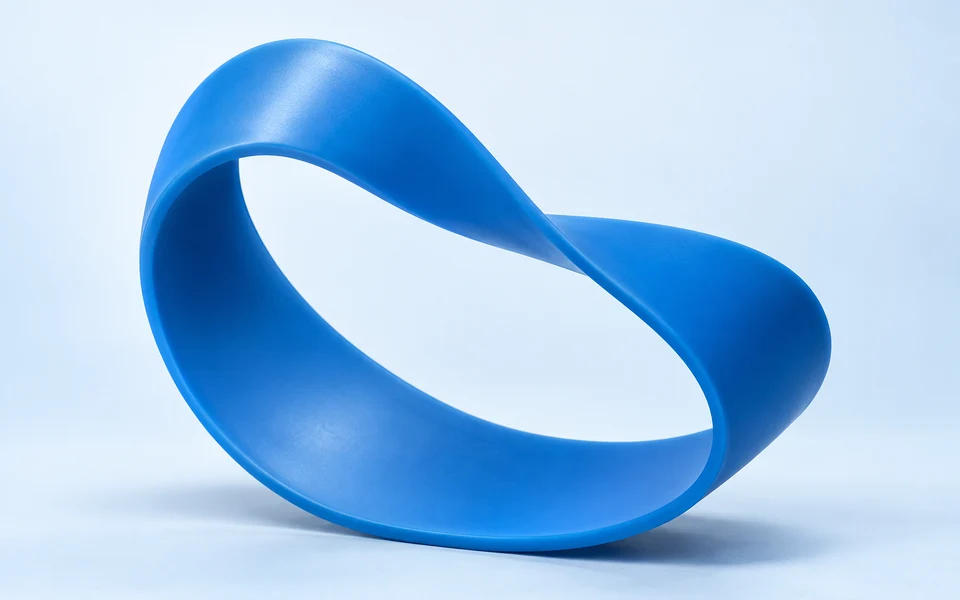
- Blue
- Self-leveling
- No
- Uncrosslinked viscosity (mPa·s)
- 10'000
Electrical Properties
- Electrical Insulation
- Yes
Product Approvals
- Food contact
- No
- Medical grade
- No
Mechanical properties
- Tensile strength (MPa)
- 6
- Elongation at break (%)
- 3
- Tear strength (N/mm)
- 15
Product Description
BLUESIL RTV 147 A&B is a two-component, addition-curing RTV-2 silicone that cures at room temperature into a heat-resistant, elastic molding compound with Shore A 60 hardness.
RTV 147 A is processed with hardener RTV 147 B in a ratio of 100:10 and forms a flowable paste after mixing, which cures without reaction heat. RTV 147 A and 148 A can be mixed in any ratio to achieve a medium hardness.
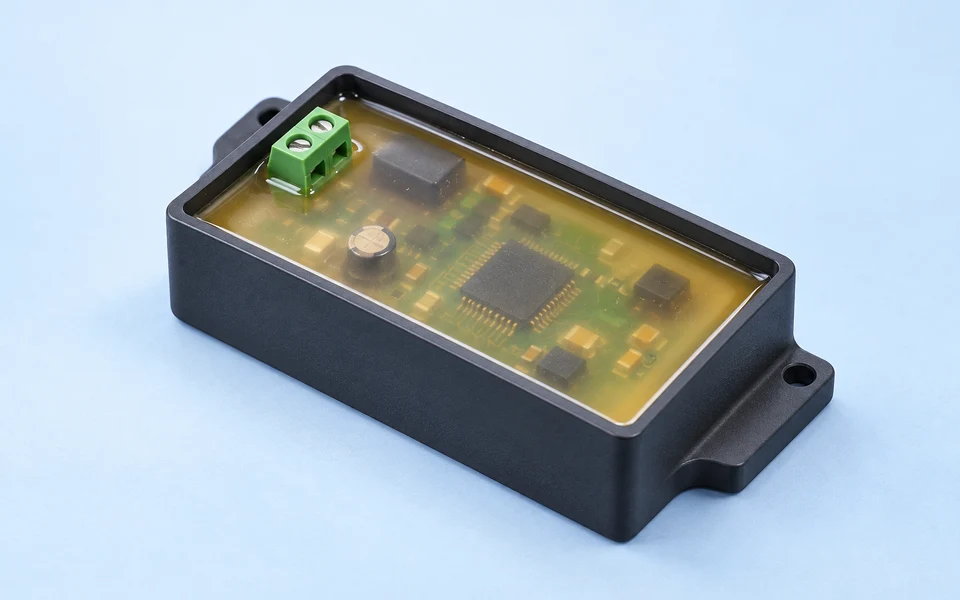
Addition-curing RTV-2 silicone with very good thermal stability (peak temperature up to approx. +300 °C), good reversion resistance, and good dielectric properties, designed for thermal protection and the embedding of electrical systems.
What sets RTV 147 apart
What is RTV 147 used for?
Processing
Important Notes
- Addition curing is sensitive to inhibition: avoid sulfur-containing rubbers, metal-salt-catalyzed RTV, tin-stabilized PVC, and amine-crosslinked epoxides; if in doubt, test beforehand.
- Viscosity can be reduced before curing with up to 10% BLUESIL FLD 47V100; more will affect the properties of the finished parts. Linear shrinkage approx. 0.1% at room temperature.
- The currently valid Elkem data sheet (TDS and SDS) is authoritative, which we will be happy to send you.
Frequently Asked Questions about RTV 147
Practical application and design questions, answered by SILITECH.
100 parts RTV 147 A to 10 parts RTV 147 B.
Peak temperature up to approx. +300 °C, brittle point -70 °C, good reversion resistance.
Shore A approx. 60, tensile strength 6.0 MPa, elongation at break 180 %, tear strength over 15 kN/m.
Yes, RTV 147 A and 148 A can be mixed in any ratio; for example, a 50:50 mix with 10 parts of 147 B results in Shore A 55.