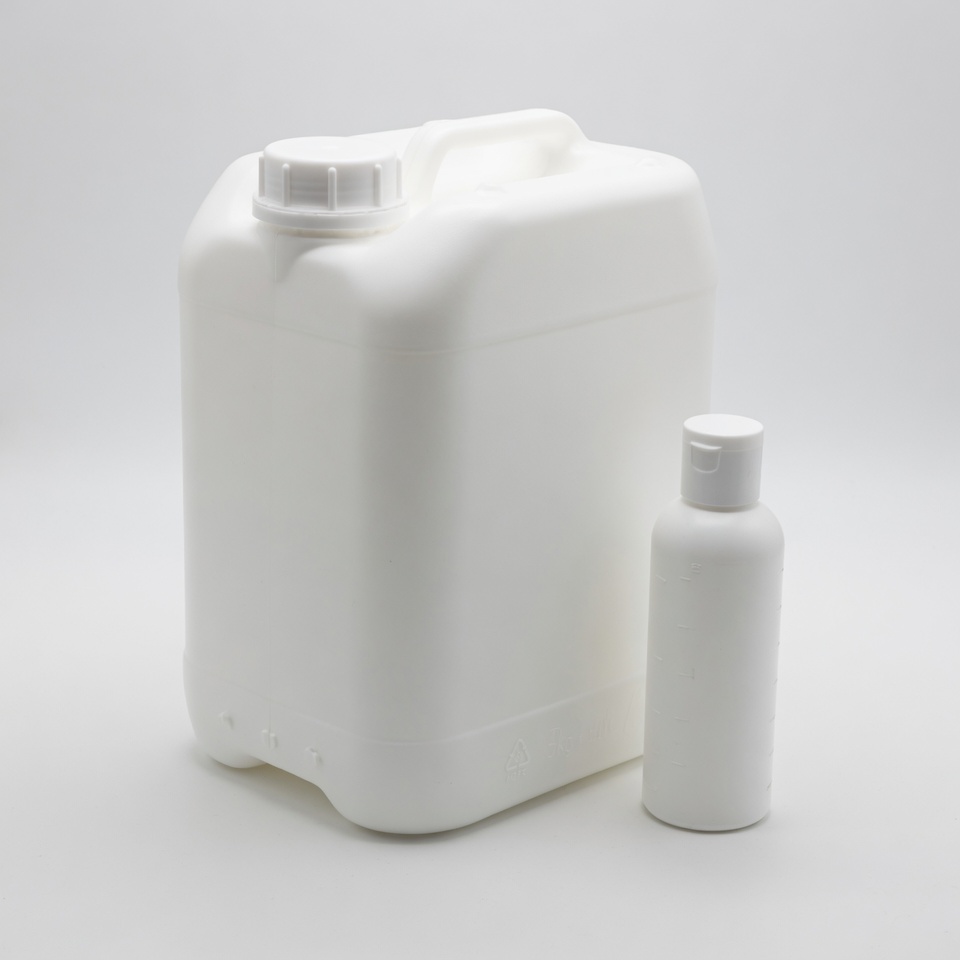
Calsil RTV PC 30
Castable 2K RTV silicone with Shore A 30.
Pourable 2K RTV silicone (Sn polycondensation) with Shore A 30 — Standard hardness choice for general mold tools in model making and reproduction
Internal reference:
53-3020
Calsil RTV PC 30 is a castable 2K RTV silicone (Sn polycondensation) with Shore A 30 — standard hardness choice for general mold tools in model making and reproduction.
This product line comprises 2K polycondensation silicone elastomers (tin-catalyzed) for mold making — established, economical industrial chemistry with good substrate compatibility, especially for lost-wax casting, decoration, and construction. Calsil PC 30 is tailored to specific industrial applications — the most important properties and areas of application are listed below.
Calsil RTV PC 30 is a condensation-curing RTV-2 silicone potting compound with a Shore A hardness of 30 — the universal medium-hardness choice for mold tools in model making, decoration, and industrial reproduction. Detailed mechanical properties are available upon request from SILITECH.
What makes Calsil PC 30 stand out
What is Calsil PC 30 used for?
processing
Recommended accessories
Important instructions
Calsil PC 30 compared to related RTV products
Networking system, mechanics, and processing times side by side — all values from the official Elkem TDS. “— " = not specified in the datasheet.
Calsil PC 30 Current product |
RTV 3325 → | RTV 3318 SPU → | Calsil PC 55 → | |
|---|---|---|---|---|
| Networking system | 2K Condensation (Sn) | 2K Condensation (Sn) | 2K Condensation (Sn) | 2K Condensation (Sn) |
| Mixing ratio | with CATA | 100 : 5 (Cata) | 100 : 5 (CATA SPU) | with CATA |
| Color | — | White | White | — |
| Shore A hardness | A 30 | A 25–28 | A 18 | A 55 |
| Elongation at break | — | 440–490 % | 520 % | — |
| Tensile strength | — | 4–4.3 MPa | 3.3 MPa | — |
| Tear resistance | — | 21–26 kN/m | 19 kN/m | — |
| Potting time | — | 90–150 min (hr) | 90–150 min | — |
| demolding time | — | 24 h (Standard) / 6 h (Fast) | 24 h | — |
| Mixed viscosity | — | 35,000 mPa·s | 25,000 mPa·s | — |
| Main application | Model making molds | lost-wax molds | Polyurethane casting resin molds | Heavy-duty forming tools |
Technical specifications for Calsil RTV PC 30
| Product information | |
|---|---|
| Container | 20 kg |
For binding values, please refer to the technical data sheet (TDS) in the "Documents" tab.
No public documents are available.
We will gladly send you the TDS and SDS by email upon request; please submit a request.
Frequently asked questions about Calsil PC 30
Practical questions regarding processing and design — answered by SILITECH.
Calsil RTV PC 30: Castable 2K RTV silicone (Sn polycondensation) with Shore A 30 — standard hardness choice for general mold tools in model making and reproduction. Main applications are model making molds, industrial reproduction, and decorative replicas.
Polycondensation crosslinking is a two-component silicone chemistry using a tin catalyst. Upon mixing, the components crosslink, releasing alcohol as a byproduct—this can lead to a small linear shrinkage (typically <0.7%). Advantages: Polycondensation silicones are less sensitive to inhibitors than polyaddition systems—they crosslink even in contact with sulfur-vulcanized rubber and are tolerant of many substrates. It is an established, economical industry standard for lost-wax casting, decorative reproduction, and construction.
Thoroughly stir components A and B before each processing step. Measure precisely according to the mixing ratio specified in the TDS (see comparison table above) – ideally by weight. Mix with an electric or pneumatic agitator at low speed (minimize air entrainment). Degas the mixture under vacuum (30–50 mbar) – the material will expand 3–4 times its original volume, bubbles will escape, and the material will settle back after 5–10 minutes. Then slowly pour into the mold from the lowest point to avoid air entrapment. For polyaddition systems, avoid contact with inhibitors (sulfur-based rubber, tin-based RTV, amine epoxides, PVC with tin salts).
Store in the unopened original container in a dry, cool place — typically between +5 and +30 °C, see TDS for exact values. Store components A and B separately; seal airtight after opening. Polyaddition systems are insensitive to moisture, but should be stored in a cool place to maintain pot life. Consult the Safety Data Sheet (SDS) before use.
The comparison table above lists related RTV products with different hardnesses, pot lives, or application profiles. If you are unsure which product is best for you, we would be happy to advise you — contact SILITECH with details of your application (substrate, desired hardness, processing time, mechanical requirements, and durability).
Your question isn't listed here
Our technical team will advise you personally on material selection, processing questions, and individual requirements. Quickly and competently.
Product specifications
| Container | 20 kg |
| Keywords | |
|---|---|
| Keywords | |